






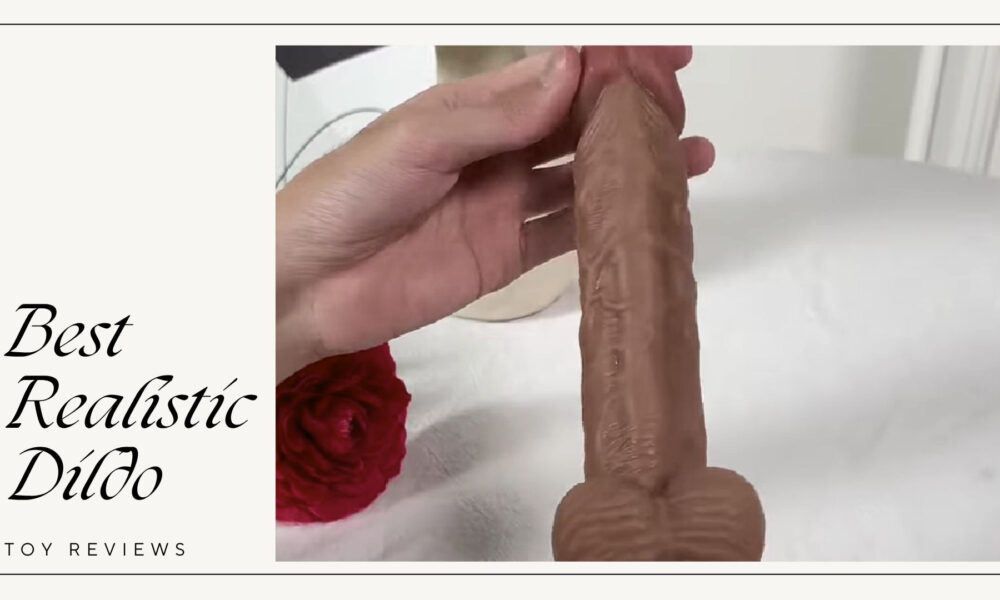
The moment I realized I was overcomplicating it
I remember staring at my screen way longer than I’d like to admit, scrolling through pages of “best realistic dildo” recommendations like I was about to make a life-altering decision. Every option looked… intense. Too big, too detailed, too real.
Table Of Content
- The moment I realized I was overcomplicating it
- What “realistic” actually means (and why it’s not just about looks)
- Size anxiety is real (and kind of unnecessary)
- Texture: more isn’t always better
- The quiet importance of a base
- When vibration enters the picture
- Where I actually found good options
- The part nobody tells you about expectations
- A small reality check that saved me money
- The subtle shift that changed everything
- Where I landed on the whole “best realistic dildo” question
And somehow, that made it harder, not easier.
There’s this weird expectation that if something is labeled “realistic,” it has to be perfect. Perfect size, perfect texture, perfect experience. But the truth is a lot less dramatic. You’re not buying perfection. You’re just trying to find something that feels good for you.
Once I stopped treating it like a test I could fail, things got a lot clearer.
What “realistic” actually means (and why it’s not just about looks)
At first, I thought realistic just meant “looks like a penis.” Which… yes, obviously. But that’s honestly the least important part after a while.
What actually makes a realistic dildo feel different is the combination of material, softness, and how it responds when you use it. That subtle “give” when pressure is applied? That’s what your body notices, not whether the veins are perfectly sculpted.
Most good ones are made from body-safe silicone, and some have what’s called dual-density. Basically, a firmer core with a softer outer layer. It sounds technical, but what it means in practice is that it doesn’t feel stiff or awkward. It moves with you instead of against you.
“The moment something feels natural, your body relaxes. And everything after that becomes easier.”
That’s the part nobody really explains properly.
Size anxiety is real (and kind of unnecessary)
This is where things got unnecessarily stressful for me.
I kept thinking I had to choose between “safe beginner size” or something more… ambitious. Like there was a correct answer hiding somewhere in the middle.
But size isn’t really about being brave or cautious. It’s about comfort and curiosity meeting at the same place.
Here’s the rough range that actually worked for me and, honestly, most people starting out:
| Experience Level | Insertable Length | Diameter |
|---|---|---|
| Beginner | 5 – 6 inches | 1.2 – 1.4 inches |
| Intermediate | 6 – 7 inches | 1.4 – 1.6 inches |
| Curious / Bold | 7+ inches | 1.6+ inches |
What surprised me is that going too small can feel just as unsatisfying as going too big. If there’s no sense of fullness, it can feel like something is missing, even if everything else is right.
So instead of asking “what’s the safest size,” I started asking, “what would feel interesting but still comfortable?”
That shift helped a lot.
Texture: more isn’t always better
Some designs look like they were created by someone who got a little too enthusiastic about detail.
There are options with pronounced veins, ridges, curves… all very impressive visually, but not always something you’ll enjoy in practice. Especially if you’re still figuring out what your body likes.
I found that slightly textured or smoother designs feel more approachable. Enough detail to feel natural, but not so much that it becomes distracting or overwhelming.
It’s one of those things you don’t fully understand until you try it.
The quiet importance of a base
This is one of those details people skim over, then regret later.
A suction cup base or a flared base doesn’t sound exciting, but it changes everything. It gives you control. Stability. Options.
Hands-free use, different angles, less effort.
It’s not glamorous, but it’s practical in a way that makes the whole experience smoother.
And if you’re even slightly curious about exploring different types of play later, a proper base matters more than you think.
When vibration enters the picture
I didn’t expect to care about vibration in a realistic dildo. It felt like mixing two different categories.
Turns out, it’s not that deep. It just adds another layer of sensation.
Some designs include internal motors with multiple settings, which can create a mix of internal pressure and external stimulation. It’s not necessary, but it’s definitely something you notice.
If anything, it makes the experience feel less predictable, which… depending on your mood, can be a good thing.
Where I actually found good options
After filtering out all the overly aggressive marketing and questionable materials, I kept coming back to a few brands that consistently focus on body-safe silicone and realistic feel.
One that stood out while I was browsing was Lovehoney, mostly because they have a wide range that doesn’t feel intimidating. Their beginner-friendly designs are actually beginner-friendly, not just labeled that way.
Another is Doc Johnson, which has been around forever and seems to understand the balance between realism and usability.
If you want something more design-focused, Lovense Gravity occasionally leans into realistic styles but with a cleaner aesthetic, which I personally prefer.
I also found some decent guides while digging through Lovehoney’s realistic dildo section that helped me understand what I was actually looking at instead of just guessing.
Not everything there is perfect, but at least it’s not chaotic.
The part nobody tells you about expectations
I think the biggest mistake I almost made was expecting it to feel exactly like being with another person.
It doesn’t. And it’s not supposed to.
It’s a different kind of experience. More controlled. More intentional. Sometimes even more comfortable, because there’s no pressure to perform or react a certain way.
Once I let go of the comparison, it became way more enjoyable.
A small reality check that saved me money
At one point, I had three tabs open with completely different options, each claiming to be “the best realistic dildo.”
And none of them were wrong.
That’s the frustrating part. There isn’t one best option. There’s just the one that fits you best right now.
So instead of chasing the “perfect” one, I picked something that met a few basic criteria:
- Body-safe silicone
- Moderate size
- Comfortable texture
- Decent reviews that didn’t sound fake
That was it.
No overthinking. No trying to predict the future.
The subtle shift that changed everything
After actually trying one, I realized something slightly annoying.
All the time I spent researching wasn’t useless, but it wasn’t as critical as I thought.
What mattered more was being open to adjusting. Maybe the next one would be a bit bigger. Or softer. Or simpler.
It’s not a one-time decision. It’s more like figuring out your preferences over time.
Which, honestly, is a lot less stressful once you accept it.
Where I landed on the whole “best realistic dildo” question
If I had to answer it now, I’d say this:
The best realistic dildo isn’t the most lifelike, the most expensive, or the most recommended.
It’s the one that feels natural enough that you stop thinking about it.
That moment where your body just relaxes and you’re not analyzing every detail anymore… that’s when you know you got it right.
Everything else is just marketing noise.
And there’s plenty of that already.





No Comment! Be the first one.