




I didn’t start out thinking about “sex toy brands” as a thing.
Table Of Content
- The Moment I Realized Not All Sex Toy Brands Are Equal
- The Brands People Keep Coming Back To (and why)
- The ones that feel… reliable
- The ones people swear by for specific experiences
- And then there’s the newer, tech-focused side
- A Quick Reality Check (Because Not Everything Is Perfect)
- What Actually Makes a Sex Toy Brand “Good”
- Where People Actually Buy Their Toys (and why it matters)
- The Part Nobody Talks About Enough
- A Thought I Keep Coming Back To
- Where I Landed After All This
At first, it was just… curiosity. One random purchase, late at night, slightly embarrassed, slightly excited. I didn’t care who made it. I just wanted something that worked.
But after a few disappointing experiences (and one that literally stopped working mid-use… which felt almost personal), I started noticing something: the brand actually matters. A lot more than I expected.
It’s not just about how a toy looks or what it promises. It’s about whether it feels good, whether it lasts, whether it connects properly if it’s app-based, whether it makes you feel safe using it.
And honestly, after trying a mix of random Amazon finds, boutique brands, and “everyone talks about this one” products… I started forming opinions.
Some brands feel like they get it. Others feel like they were designed by someone who has never used their own product.
So this is me, trying to make sense of that.
The Moment I Realized Not All Sex Toy Brands Are Equal
There’s this weird phase most people go through.
You buy something cheap first. It looks fine online. The reviews are suspiciously enthusiastic. You think, “How different can it be?”
And then you use it.
And it’s either too loud, too weak, too strong in a bad way, or just… awkward. Like it technically works, but it doesn’t feel right.
That’s when I realized something important:
“A good sex toy isn’t just about stimulation. It’s about design that understands your body.”
That’s where brands start to separate themselves.
Some brands clearly invest in materials, ergonomics, and actual user experience. Others just throw shapes and buzzwords together and hope nobody notices.
And unfortunately, you usually notice.
The Brands People Keep Coming Back To (and why)
After reading way too many Reddit threads and having my own trial-and-error phase, a few names just kept coming up again and again.
Not in a marketing way. In a “people who actually use this stuff” kind of way.
The ones that feel… reliable
Brands like LELO, Womanizer, and We-Vibe show up a lot. And I get why.
They’re consistent. Not perfect, but consistent.
LELO feels very… polished. Almost like buying a luxury product that also happens to vibrate. The materials are nice, the design is clean, and it doesn’t feel cheap in your hand.
Womanizer is basically known for one thing and doing it well. If you know, you know.
We-Vibe is interesting because it leans more into couples and app-based experiences. Which sounds great in theory… but also depends heavily on whether the tech actually works (and let’s just say, not everyone has a smooth experience there).
The ones people swear by for specific experiences
Then there are brands like Tantus, and Vixen Creations.
These feel less “mainstream” and more… intentional.
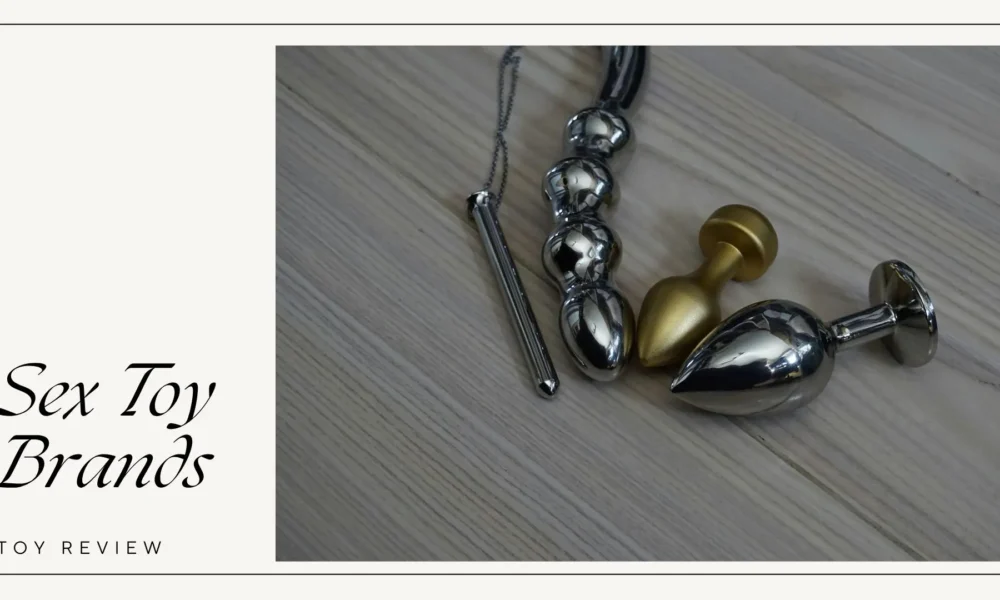
nJoy, for example, gets mentioned constantly for its stainless steel toys. People talk about them like they’re heirlooms. Which is slightly funny, but also kind of makes sense because they last forever.
Tantus and Vixen are more about silicone toys that feel body-safe and thoughtfully designed. Less flashy, more dependable.
These brands don’t feel like they’re trying to impress you. They just quietly do their job very well.
And then there’s the newer, tech-focused side
This is where things get interesting.
Brands like Lovense and Kiiroo are less about traditional use and more about connectivity, long-distance interaction, and app control.
And honestly… this is where expectations get higher.
Because when tech is involved, you’re not just judging how it feels. You’re judging whether it connects, whether it lags, whether it ruins the moment.
I’ve seen people absolutely love these brands… and others get frustrated because the app didn’t cooperate at the worst possible time.
So it’s a bit of a gamble, but when it works, it really works.
A Quick Reality Check (Because Not Everything Is Perfect)
I wish I could say there’s a single “best” sex toy brand.
There isn’t.
Even the most loved brands have misses. Products that don’t hit the same. Designs that look good but feel off.
And sometimes, it’s not even the brand’s fault.
What works for one person can feel completely wrong for someone else. Bodies are different. Preferences are weirdly specific. Sensitivity levels are all over the place.
I’ve had moments where something everyone loves felt like “okay… that’s it?” and other times where something random surprised me.
So instead of chasing the “best brand,” I started thinking about it differently.
What Actually Makes a Sex Toy Brand “Good”
At some point, I stopped focusing on names and started paying attention to patterns.
The brands I liked all had a few things in common:
| What I noticed | Why it matters |
|---|---|
| Body-safe materials (usually silicone or metal) | You don’t want to question what’s touching your body |
| Consistent power (not just strong, but controlled) | Too much or too little can both ruin the experience |
| Thoughtful shapes | Not everything needs to be complicated to work |
| Reliable charging and battery | Nothing kills the mood faster than a dead toy |
| Honest expectations | Overpromising is the fastest way to disappoint |
It sounds obvious, but you’d be surprised how many products fail at one of these.
Where People Actually Buy Their Toys (and why it matters)
This was another thing I didn’t think about at first.
Does it matter where you buy it?
Apparently… yes.
A lot of people prefer buying directly from brand websites. Not because they love spending more money, but because it feels safer. More predictable. Less risk of getting something weird or low quality.
Others stick with large platforms like Amazon because it’s convenient and discreet. Which is fair. But the downside is that quality can vary a lot depending on the seller.
And then there are local stores. Slightly more awkward, but also kind of reassuring because you can actually see what you’re getting.
I’ve tried all three, and honestly… the best experiences usually came from buying directly from brands or well-known retailers.
Less guessing. Less regret.
The Part Nobody Talks About Enough
There’s this quiet expectation that once you find a “good brand,” everything from them will work for you.
That’s not how it goes.
Even within the same brand, some products feel amazing, others just… don’t.
And that’s okay.
I think the real shift for me was realizing that this isn’t about finding the one brand. It’s about understanding what you like, and then using brands as a guide, not a rule.
Because at the end of the day, a brand can only do so much.
The rest is personal.
A Thought I Keep Coming Back To
There’s something slightly funny about how much thought we end up putting into this.
But also… it makes sense.
This isn’t just another product. It’s something that’s supposed to make you feel good, comfortable, maybe even a little more connected to yourself (or someone else).
So yeah, the brand matters.
Not in a “loyal customer forever” kind of way.
But in a “I know what I’m getting into” kind of way.
Where I Landed After All This
If I had to explain it simply, I’d say this:
Some sex toy brands feel like they were designed to sell.
Others feel like they were designed to be used.
And once you notice the difference, it’s really hard to ignore.
I still try new things sometimes. I still get curious. But I’m a lot more selective now.
Less random guessing. More quiet confidence in what I pick.
Which, honestly, makes the whole experience better before you even open the box.

No Comment! Be the first one.